What Is the Best Time to Visit an Osho Ashram in Himachal Pradesh?
by Ma Kranti
Osho meditation camp conductor since 2006
Published on:
Last updated on:
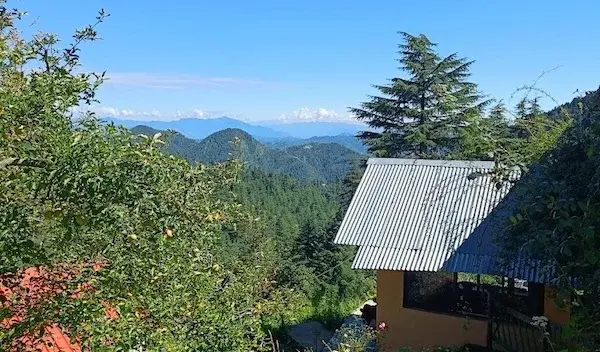
Choosing when to visit a Himalayan meditation retreat shapes your entire spiritual experience. At Oshogram, perched at 7343 feet in Himachal Pradesh, each season offers unique gifts for meditation seekers. The best time to visit an Osho ashram depends on what you seek—whether it's the vibrant renewal of spring, the lush sanctuary of summer, the crystal clarity of autumn, or the profound stillness of winter. Understanding how mountain weather patterns affect your practice helps you align your inner journey with nature's rhythm.
The Himalayan climate at this elevation creates distinct seasonal personalities. While some visitors chase the comfortable warmth of spring and autumn, others find deeper meditation in winter's silence or monsoon's introspection. Your meditation goals, weather preferences, and personal transformation cycle all play a role in selecting your ideal retreat timing.
“Experience life in all possible ways – good-bad, bitter-sweet, dark-light, summer-winter. Experience all the dualities. Don’t be afraid of experience, because the more experience you have, the more mature you become.” - OSHO
Why Timing Matters for Your Himalayan Meditation Retreat
Seasons directly influence meditation depth and spiritual practice quality. At 7343 feet elevation, weather patterns shift dramatically throughout the year, affecting everything from outdoor meditation availability to the energy you feel in mountain silence. Temperature changes alter your physical comfort, while seasonal shifts in nature mirror internal transformation stages.
The relationship between mountain climate and inner stillness runs deeper than simple comfort. Cold winter air brings sharp mental clarity, while spring warmth encourages openness and renewal. Monsoon rains naturally turn attention inward, creating perfect conditions for contemplative practices. Each season at Oshogram carries distinct energy that either supports or challenges different meditation styles.
Elevation intensifies seasonal effects compared to lowland retreats. The thin mountain air at 7343 feet affects oxygen levels, which influences meditation experiences and physical adjustment periods. First-time visitors often notice heightened awareness in high-altitude environments. Cedar forests and apple orchards surrounding the ashram transform dramatically across months, offering visual reminders of impermanence and natural cycles that support spiritual insights.
Spring Season at Mountain Ashrams (March to May)
Spring brings awakening energy to the Himalayan foothills. Apple orchards burst into delicate pink and white blossoms, transforming the landscape into a living meditation on renewal. Cedar forests shed winter dormancy, filling the mountain air with fresh green scents. Temperatures range from 10°C to 22°C (50°F to 72°F), creating comfortable conditions for extended outdoor meditation sessions.
This season offers ideal balance for both new and experienced meditators. Daylight extends from sunrise around 6:00 AM to sunset near 7:30 PM, providing ample natural light for walking meditations through blooming orchards. The vibrant natural energy supports personal transformation and new beginnings. Many visitors time retreats to coincide with apple blossom season in late April, when the entire valley celebrates renewal.
Spring weather remains relatively stable, with occasional light rain showers that quickly clear. The landscape transitions from winter browns to vibrant greens within weeks, offering daily visual proof of nature's transformative power. Roads remain easily accessible, making travel to Oshogram straightforward for those arriving from Delhi or Chandigarh.
What to Expect During Spring Months
March temperatures hover between 8°C and 18°C, gradually warming as April and May approach. Daylight hours increase weekly, providing longer periods for outdoor practice. Morning meditation sessions benefit from crisp mountain air, while afternoons warm enough for comfortable sitting in garden spaces.
Nature's awakening serves as powerful metaphor for spiritual growth. Watching apple trees transform from bare branches to full bloom mirrors personal transformation processes. Birds return to cedar forests, their songs adding natural soundscapes to meditation sessions. The earth itself seems to breathe new life, creating palpable energy shifts that sensitive practitioners notice immediately.
Spring meditation programs often focus on renewal themes and fresh starts. Community gatherings increase as weather permits outdoor group sessions. This season attracts visitors seeking to align personal changes with nature's rebirth cycle.
Summer Meditation Experience (June to August)
Summer transforms the ashram into a cool mountain sanctuary while Indian plains swelter. Temperatures range from 15°C to 25°C, offering perfect escape from lowland heat. Lush greenery reaches peak intensity, with cedar forests displaying deep emerald hues and apple orchards heavy with developing fruit.
Extended daylight during June and July provides maximum time for varied meditation practices. Sunrise arrives earlier and sunset lingers longer. This natural schedule supports early morning sessions followed by contemplative walks and evening group meditations. The abundance of nature creates sensory richness that enhances mindfulness practices.
June marks the monsoon arrival in Himachal Pradesh. While this brings challenges, it also offers unique spiritual opportunities. The meditation techniques taught year-round adapt beautifully to rainy season conditions, turning weather into practice catalyst rather than obstacle.
Monsoon Considerations for Spiritual Seekers
Monsoon rains typically begin in late June, continuing through August with varying intensity. Mountain rainfall creates dramatic cloud formations and mist-covered valleys. The beauty is undeniable - waterfalls emerge on hillsides, vegetation glows with moisture, and the air smells of wet cedar and earth.
Challenges include occasional road disruptions and limited outdoor meditation options during heavy rain. However, monsoon creates natural conditions for deeper introspection. The sound of rain on roof tiles becomes meditation backdrop. Reduced visibility turns attention inward naturally. Many experienced meditators specifically seek monsoon retreats for this inward-turning energy.
Practical tips for traveling during rainy season include flexible scheduling, waterproof gear, and patience with mountain weather patterns. Book accommodations in advance, as some visitors avoid monsoon, creating quieter retreat atmosphere for those who embrace it. Indoor meditation spaces at Oshogram remain comfortable and accessible regardless of weather.
Autumn's Golden Period (September to November)
Autumn ranks among the most popular seasons for Himalayan meditation retreats. Post-monsoon clarity brings crystal-clear mountain views, with snow-capped peaks visible on the horizon. Temperatures range from 10°C to 20°C, providing comfortable conditions for both indoor and outdoor practices.
Harvest season transforms apple orchards into celebration. Ripe fruit weighs down branches, and the entire valley participates in gathering the year's abundance. This agricultural rhythm connects retreat participants to local community cycles and seasonal gratitude practices. The air carries sweet apple scents mixed with cedar resin.
Weather stability makes autumn ideal for planning travel and activities. September through November typically offers clear skies, moderate temperatures, and minimal precipitation. These reliable conditions attract both first-time visitors and returning meditators. Roads remain in excellent condition, and the journey to the ashram becomes scenic drive through Himalayan beauty.
Why Autumn Appeals to Seasoned Meditators
Balanced energy characterises autumn in the mountains. Neither the intense heat of summer nor the deep cold of winter, this middle season supports equilibrium in practice. Experienced meditators recognise this as perfect timing for intensive courses and breakthrough work.
Comfortable conditions allow extended sitting periods without physical distraction. Temperature regulation requires minimal adjustment, letting practitioners focus entirely on inner work. The post-monsoon freshness creates mental clarity that mirrors the cleaned atmosphere.
Spectacular Himalayan vistas reach their clearest during October and November. Mountain ranges stand sharp against blue skies, providing powerful visual anchors for meditation. Walking practices through apple orchards and cedar forests offer sensory richness without summer's heat or winter's cold. Many consider autumn the sweet spot for mountain meditation retreats.
Winter Meditation Retreat Experience (December to February)
Winter brings profound stillness to the Himalayan ashram. Snow-covered cedar forests create pristine silence that sensitive practitioners describe as almost tangible. Temperatures drop to 0°C to 12°C, with nighttime lows sometimes reaching -5°C. This cold environment naturally quiets the mind and turns attention inward.
The winter beauty at Oshogram transforms the retreat into a white sanctuary. Snowfall blankets apple orchards and cedar branches, creating monochrome landscape that simplifies visual field. This natural minimalism supports meditation practices focused on emptiness and essential awareness.
Cozy indoor meditation spaces become gathering centers for community warmth. Wood stoves, heated halls, and shared meals create intimate atmosphere. Winter retreats attract smaller groups, offering more personalised guidance and deeper connections among participants. The season's inward energy naturally supports silent retreats and intensive practice periods.
Is Winter Suitable for First-Time Visitors
Temperature considerations at 7343 feet require honest assessment. Winter cold is real and requires proper preparation. However, the ashram provides adequate heating, warm bedding, and comfortable indoor spaces. Physical discomfort remains minimal for those who pack appropriately.
What to pack includes thermal layers, warm meditation shawls, insulated boots, and cold-weather accessories. The ashram typically provides guidance on specific gear needs. Most visitors adjust to mountain cold within two to three days, especially as meditation practice generates internal warmth.
The transformative power of winter solitude attracts serious practitioners. Reduced tourist activity creates quieter environment. The challenge of cold weather becomes practice opportunity, testing commitment and building mental resilience. Many meditators report winter retreats as their most profound experiences, where external austerity supported internal breakthrough.
Year-Round Spiritual Sanctuary Benefits
Oshogram remains open and welcoming every season, recognising that spiritual seeking follows no calendar. Each season contributes uniquely to different stages of spiritual growth. Spring supports new beginnings, summer offers abundance, autumn brings harvest insights, and winter provides deep stillness.
Choosing based on personal meditation goals and preferences makes more sense than following crowd patterns. If you seek vibrant energy and community connection, spring or autumn suit well. If you want solitude and intensive practice, winter or monsoon offer those conditions. Summer provides escape from heat while maintaining accessible comfort.
The seasonal programs and gatherings adapt to natural rhythms while maintaining core meditation offerings. Special courses align with seasonal energies - renewal workshops in spring, abundance practices in summer harvest, letting-go retreats in autumn, and silence intensives in winter.
Matching Your Inner Season with Nature's Cycle
Aligning personal transformation with natural rhythms amplifies meditation work. If you're beginning spiritual practice, spring's new-growth energy provides supportive backdrop. If you're working through difficult internal material, monsoon's introspective quality helps. If you're integrating insights and finding balance, autumn's equilibrium supports that work.
Different seasons support different meditation depths. Spring and summer's outward energy suits active meditation techniques and dynamic practices. Autumn and winter's inward pull benefits silent sitting and contemplative approaches. Understanding these natural tendencies helps you time retreats for maximum benefit.
Creating harmony between inner and outer environments doesn't mean avoiding challenge. Sometimes the friction between internal state and external season catalyses growth. A person stuck in internal winter might find spring's energy provocative and helpful. Someone avoiding stillness might need winter's forced quietude. Trust your intuition about timing.
Practical Planning for Your Himalayan Journey
Booking considerations vary by season. Spring and autumn see higher demand, requiring advance reservations. Summer and winter typically allow shorter booking windows. Monsoon season offers most flexibility and sometimes last-minute availability.
Transportation accessibility remains good throughout the year, with occasional monsoon delays. The drive from Chandigarh to the ashram takes five to six hours in normal conditions. Winter may add travel time due to careful mountain driving, but roads remain open except during extreme snowfall.
Weather patterns influence daily routine significantly. Summer's long days allow varied scheduling, while winter's shorter daylight focuses activity into specific hours. Monsoon rain might move outdoor sessions inside, but meditation practice continues uninterrupted. The ashram's flexible approach adapts programs to seasonal realities while maintaining practice integrity.
Packing lists change dramatically by season. Summer visitors need light layers, sun protection, and rain gear. Winter requires serious cold-weather clothing, multiple thermal layers, and warm accessories. Spring and autumn sit in the middle, requiring adaptable clothing for temperature swings. The ashram blog offers detailed seasonal packing guides and preparation tips.
Frequently Asked Questions
Can I visit the Osho ashram in Himachal Pradesh during monsoon season?
Yes, Oshogram welcomes visitors during monsoon season from June through August. While rain brings travel challenges and limits outdoor activities, many meditators specifically seek this season for its introspective quality. Indoor meditation spaces remain comfortable and accessible. Monsoon creates natural conditions for deeper contemplation, and the reduced number of visitors offers quieter retreat atmosphere. Pack waterproof gear and maintain flexible expectations about outdoor programs.
What is the coldest month at mountain ashrams in Himachal?
January typically registers as the coldest month, with temperatures dropping to -5°C at night and reaching only 8°C to 10°C during day. December and February follow closely behind. The ashram provides heated spaces, warm bedding, and wood stoves to maintain comfort. Proper winter clothing makes cold manageable, and many visitors find the crisp air enhances mental clarity during meditation sessions.
How does altitude affect meditation practice at high elevations?
Elevation creates noticeable effects on both body and mind. Reduced oxygen levels may cause initial breathlessness or light-headedness, typically resolving within two to three days of acclimatisation. Many meditators report heightened awareness and mental clarity at this altitude. The thinner air seems to quiet mental chatter naturally. Physical adjustment requires patience, adequate hydration, and gentler movement during the first few days of your retreat.
Which season is least crowded for meditation retreats in the Himalayas?
Winter months from December through February and monsoon season from late June through August see the fewest visitors. These seasons offer more solitude, personalised attention, and intimate community size. If you prefer quiet retreat atmosphere and don't mind weather challenges, these periods provide ideal conditions. Booking becomes easier, and the ashram takes on family-like quality with smaller groups sharing the space.
Is it possible to practice outdoor meditation during Himalayan winters?
Yes, outdoor meditation remains possible during winter with proper preparation. Many practitioners find winter's crisp air and profound silence ideal for practice. Dress in multiple thermal layers, use warm meditation shawls, and choose sheltered spots protected from wind. Shorter sessions work better in extreme cold. The ashram offers both heated indoor spaces and weather-protected outdoor areas. Some of the most powerful meditation experiences happen in winter's challenging conditions, where cold becomes practice opportunity rather than obstacle.
About the Author
Ma Kranti
Osho Meditation Camp Conductor since 2006
With around 20 years of experience, Ma Kranti has dedicated
her life to sharing the transformative power of Osho
meditation. From the serene heights of Oshogram ashram in
the Himalayas to meditation camps across India, she continues
to guide seekers on their inward journey.