What to Expect During a Week-Long Stay at an Osho Commune
by Ma Kranti
Osho meditation camp conductor since 2006
Published on:
Last updated on:
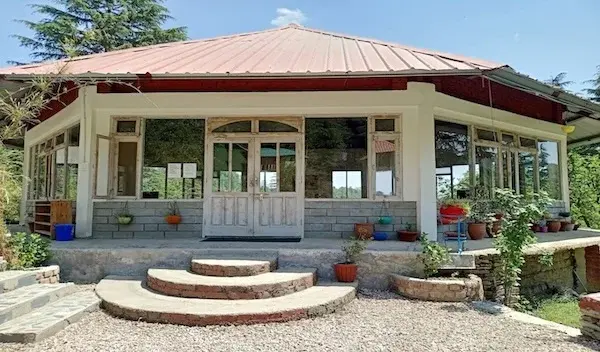
A week-long stay at an Osho commune offers a complete immersion into meditation, community living, and spiritual practice. Unlike shorter visits, seven days at an ashram gives you enough time to settle into new rhythms, work through initial resistance, and experience genuine transformation. At Oshogram, nestled in the Himalayas, you'll find yourself surrounded by cedar forests and apple orchards, far from the noise of daily life. This guide walks you through what actually happens during your stay, from your first moments of arrival to the morning you prepare to leave.
Why Choose a Week-Long Spiritual Retreat?
Seven days might seem arbitrary, but this timeframe holds real significance for spiritual practice. The first two days typically involve adjustment as your mind and body adapt to new surroundings and routines. By day three or four, you begin settling into deeper meditative states. The final days allow you to integrate what you've learned and experience the full benefits of sustained practice.
When you disconnect from your regular life for an entire week, something shifts. Your nervous system calms down. The constant mental chatter that follows you everywhere starts to quiet. You stop planning tomorrow or replaying yesterday because you're fully present in each moment. This sustained disconnection creates space for genuine insight and transformation that weekend workshops simply cannot provide.
A supportive spiritual environment amplifies these benefits. You're surrounded by others on similar journeys, practising together, sharing meals, and creating a collective energy that supports your individual work. The meditation practices at Oshogram range from active techniques like Dynamic Meditation to silent sitting, giving you multiple pathways to explore your inner landscape.
Your First Day: Arrival and Orientation
Your journey begins the moment you arrive at the commune. Staff members greet you warmly and help you settle in. You'll receive an orientation that covers ashram guidelines, daily schedules, and practical information about facilities. This isn't a lecture but a friendly introduction to help you feel comfortable in your new temporary home.
Meeting the community happens organically throughout your first day. Some residents have been at Oshogram for months or years, while others are fellow visitors just starting their week. The atmosphere encourages natural connection without forced social interaction. You can engage as much or as little as feels right for you.
After orientation, you'll move into your accommodation and have time to explore the grounds. Walking through the cedar forests surrounding the ashram helps you transition from travel mode to retreat mode. The mountain air at this elevation feels different, cleaner, more alive. Many visitors find themselves naturally taking deeper breaths as they wander the paths. Before you plan your visit, know that this first day balances structure with freedom, giving you space to arrive at your own pace.
Daily Rhythms and Meditation Schedules
Life at an Osho commune follows natural rhythms that align with the sun and seasons. Your days will have structure, but not the rigid kind you might expect. Each activity flows into the next, creating a continuous meditation rather than fragmented experiences separated by breaks.
Morning meditation sessions form the foundation of each day. These practices wake up your energy and set the tone for everything that follows. Evening gatherings bring the community together for celebration, music, and silent sitting as the sun sets over the Himalayan peaks. Between these bookends, you'll find a balance of guided activities and personal time.
The beauty of this schedule lies in its flexibility. While certain group meditations happen at specific times, you have freedom to choose your level of participation. Some visitors attend every session, while others select practices that resonate most deeply with their needs.
Morning Practices in the Himalayan Dawn
Mornings at Oshogram begin early, often around 6 AM when the mountain air still holds the coolness of night. Dynamic Meditation, one of Osho's signature active techniques, frequently starts the day. This practice involves vigorous breathing, cathartic expression, and jumping before settling into stillness. It might sound intense, but it effectively clears away the mental fog that accumulates overnight.
After active practices, you'll often move into silent sitting meditation. The contrast between movement and stillness deepens your awareness. Sitting in the meditation hall with views of the surrounding peaks, you can feel the day coming alive around you.
Breakfast follows morning meditation and becomes a practice in mindful eating. Simple vegetarian meals are served buffet-style, and you're encouraged to eat slowly, tasting each bite. Conversations happen naturally but aren't required. Many visitors discover that eating in awareness transforms even ordinary food into something special. You can see what a morning in Oshogram looks like through the experiences of past visitors.
Afternoon Activities and Free Time
Afternoons offer a mix of guided experiences and personal exploration time. You might join a guided walk through the apple orchards, where the simple act of walking becomes meditation. The rhythmic movement combined with natural beauty creates a perfect environment for awareness to bloom.
Personal meditation time allows you to practice techniques you've learned in your own way. Some visitors return to their rooms, while others find quiet spots in nature. The cedar forests provide countless peaceful corners where you can sit undisturbed.
Creative expression workshops happen on some afternoons. These might include painting, music, dance, or other artistic activities approached as meditation rather than performance. The focus stays on the process, not the product. If you're interested in creative community activities, these sessions offer a playful way to explore awareness through art.
Evening Ceremonies and Celebrations
As the day winds down, the community gathers for evening activities. Sunset meditation offers spectacular views as golden light paints the mountain peaks. This quiet time of reflection often brings unexpected insights after a full day of practice.
Music and dance celebrations happen regularly, reflecting Osho's teaching that meditation and celebration are not separate. Live music, drumming circles, and spontaneous dancing create joyful energy. You might feel self-conscious at first, but the accepting atmosphere encourages you to participate at whatever level feels comfortable.
Some evenings end with silent contemplation under the Himalayan stars. The night sky at this elevation, far from city lights, displays countless stars. Lying on your back looking up at the universe puts your daily concerns into perspective.
What Makes an Osho Commune Different from Other Retreats?
Osho communes stand apart from traditional meditation retreats in several fundamental ways. The approach combines active meditation techniques with silent practices, recognising that modern people often need to discharge energy before they can sit still. This practical understanding shapes every aspect of commune life.
Community living replaces isolated practice. Rather than meditating alone in your room for hours, you engage with others, work together, eat together, and celebrate together. This collective experience creates a field of energy that supports individual transformation. You're never alone in your struggles, and you witness others moving through their own processes.
Celebration and meditation interweave throughout the day. Osho taught that true spirituality includes joy, creativity, and laughter, not just serious sitting. This philosophy makes the spiritual community life at Oshogram feel vibrant rather than austere.
Awareness in daily activities receives as much emphasis as formal meditation sessions. Washing dishes, sweeping floors, or preparing food all become opportunities to practice presence. This integration helps you understand that meditation isn't something separate from life but a quality you can bring to every moment.
“My meditations can be of tremendous value to such people, because just telling them to sit silently won’t help… All the dynamic meditations are preparatory to real meditation… The real meditation starts only when all activity has ceased — activity of the body and activity of the mind.” - OSHO
Living in Community: Shared Spaces and Connection
Communal dining forms a central part of commune life. Three times daily, everyone gathers to share vegetarian meals prepared with care. Tables accommodate groups of various sizes, allowing for both intimate conversations and larger gatherings. The food is simple but nourishing, often featuring local ingredients and seasonal produce.
These shared meals carry spiritual significance beyond basic nutrition. Eating together creates bonds between people from different backgrounds and countries. You might find yourself sitting next to someone from across the world, discovering unexpected common ground. The act of sharing food has connected humans throughout history, and this ancient power operates quietly at every meal.
Building meaningful connections happens naturally but isn't forced. Some visitors form deep friendships during their week, while others prefer more solitary experiences. Both approaches are respected. The community provides a container that allows whatever connections need to happen.
Respecting silence and personal space balances the communal aspects. Certain areas and times are designated for silence, giving you refuge when you need solitude. You're never required to socialise, and choosing to sit alone isn't considered unfriendly. This balance between togetherness and individual space creates a healthy environment.
Participating in collective work meditation introduces you to a key Osho practice. For an hour or two each day, everyone may choose to contribute to maintaining the ashram through cleaning, gardening, kitchen work, or other tasks. This isn't a chore but a meditation technique. Bringing total awareness to simple physical activities trains your mind differently than sitting meditation.
The Natural Environment as Teacher
The Himalayan setting surrounding Oshogram functions as more than beautiful scenery. These mountains have supported spiritual seekers for thousands of years, and their presence affects your practice in subtle but real ways. The vast scale of the peaks reminds you of your small place in the larger universe, naturally creating humility and perspective.
Meditation practice deepens when supported by nature. The sounds of wind through cedar trees, bird calls at dawn, and silence broken only by distant bells all contribute to your experience. Your senses come alive in ways they cannot in urban environments. This heightened sensory awareness forms a foundation for deeper meditation.
Seasonal changes dramatically impact the retreat experience. Summer brings warm sunshine, blooming wildflowers, and opportunities to meditate outdoors comfortably. Monsoon season arrives with mist-shrouded mountains and the sound of rain on rooftops. Autumn offers crystal-clear skies and crisp air perfect for long walks. Winter transforms everything with snowfall that blankets the forests in white silence. You can also experience different seasons through various times of year.
Working with weather conditions teaches acceptance and flexibility. Some days gift you perfect sunshine for outdoor meditation. Other days bring clouds, rain, or cold winds that keep you inside. Learning to find peace regardless of external conditions reflects the deeper spiritual lesson of working with whatever life presents.
Challenges You Might Face During Your Week
Initial restlessness surprises many visitors. You arrive expecting immediate peace, but the first days often bring increased mental chatter. Your mind, suddenly freed from its usual distractions, might generate more thoughts than ever. This is completely normal and even positive as suppressed material begins surfacing. The key is continuing to practice without judging yourself.
Physical adjustments to altitude affect some visitors more than others. At such heights, the air contains less oxygen than at sea level. You might feel slightly breathless during activities, tire more easily, or experience mild headaches initially. Your body adapts within a few days. Drinking plenty of water and moving slowly helps this adjustment.
Simple living challenges those accustomed to modern conveniences. Accommodations are clean but basic. Internet access is limited. Entertainment comes from within rather than screens. This simplicity is intentional, designed to help you disconnect from constant stimulation. The discomfort you might feel reveals how dependent you've become on external inputs.
Emotional releases occur frequently during deep meditation practice. Tears, laughter, anger, or other feelings might arise without obvious cause. These releases are healthy signs that blocked energy is moving. The meditation practices at Oshogram specifically encourage this catharsis rather than suppressing emotions.
The community supports you through difficulties in practical ways. Experienced residents recognise the signs of processing and offer presence rather than advice. Staff members are trained to help with altitude adjustment, emotional releases, or simply feeling homesick. You're encouraged to share what you're experiencing rather than struggling alone.
Integration and Departure: Taking the Experience Home
Your final days at the commune shift toward integration. You begin processing everything that happened during your week, recognising patterns and insights that emerged. Group sharing circles often happen near the end of retreats, giving visitors a chance to articulate their experiences. Speaking about what you've discovered helps solidify the learning.
Strategies for maintaining awareness after leaving become crucial. The meditation techniques you've practiced can continue at home, but you'll need to adapt them to your regular environment. Creating a daily practice schedule, even just 20 minutes, helps preserve the connection you've built. Many visitors find that early morning practice works best before daily responsibilities intrude.
Connecting with the global Osho community provides ongoing support. Meditation centers exist in many cities worldwide, offering regular sessions and gatherings. Online communities allow you to stay connected with people you've met. This network helps you remember that you're not alone in trying to live with awareness amid the chaos of modern life.
Planning your return visit often happens before you even leave. Many people discover that one week opened doors they want to explore further. Some return for longer stays, while others make annual pilgrimages. The upcoming events calendar shows special celebrations and festivals that might appeal to you.
Leaving can feel bittersweet. You've created a temporary home in these mountains, and stepping back into your regular life requires courage. The world hasn't changed, but you have. This shift in perspective is what you take with you, more valuable than any souvenir.
Practical Aspects of a Week-Long Stay
Packing for seven days in the mountains requires some thought. Layers work best as temperatures vary significantly between morning and afternoon. Comfortable clothes suitable for meditation and movement are essential. You'll want warm items for cool evenings even in summer. Sturdy walking shoes help you explore the trails safely.
Bring minimal electronics. While phones are allowed, you're encouraged to use them sparingly. A camera for capturing memories is fine, but constant photography can pull you out of the present moment. Most visitors find they take fewer photos as the week progresses, preferring to experience moments directly rather than through a screen.
Accommodation options range from shared dormitories to private rooms. Shared spaces cost less and offer more interaction with other visitors. Private rooms provide solitude and quiet when you need to process experiences alone. All options include basic amenities like bedding, quilts, and bathrooms with hot water.
Food follows vegetarian principles aligned with Osho's teachings. Meals emphasise fresh, wholesome ingredients prepared simply. Special dietary needs can usually be accommodated with advance notice. The kitchen staff takes pride in nourishing both body and spirit through food.
Communication with the outside world is possible but limited. WiFi is available in common areas, but connections can be unreliable due to the remote location. This digital limitation is actually a gift, helping you truly disconnect. Consider informing family and friends before arriving that you'll be largely offline for the week.
Special Events and Celebrations During Your Stay
Participating in festivals and spiritual celebrations adds another dimension to your week. Osho's birthday, enlightenment day, and other significant dates are marked with special programs. These celebrations blend meditation, music, dance, and communal joy in unique ways. Even if your week doesn't coincide with a major festival, smaller celebrations happen regularly.
Sannyas ceremonies carry deep significance in Osho communities. Sannyas means taking a spiritual name and committing to the path of meditation and awareness. You might witness others taking sannyas during your stay, or you might feel called to take this step yourself. The Osho Sannyas celebration gatherings create powerful collective energy.
Full moon meditations happen monthly, weather permitting. The community gathers outdoors to meditate under the full moon's light. These nights carry a special quality that many visitors describe as magical. The combination of mountain altitude, clear skies, and group meditation creates memorable experiences.
Spontaneous celebrations emerge from the community's energy. Someone might start playing guitar after dinner, leading to an impromptu musical session. These unplanned moments often become the most cherished memories of your stay. The culture encourages spontaneity and play rather than rigid adherence to schedules.
FAQ
How structured is the daily schedule at an Osho commune?
The schedule balances structure with flexibility. Certain group meditations happen at fixed times, typically early morning and evening. Between these anchor points, you can choose from various activities or spend time alone. This approach provides enough structure to support practice while allowing individual freedom.
Can I leave the commune premises during my week-long stay?
Yes, you're free to leave the premises. Many visitors take walks to explore the surrounding area through sites around Oshogram. However, you're encouraged to stay on the grounds as much as possible to maintain the meditative atmosphere. Frequent departures can disrupt your ability to settle into deeper practice.
What if I've never meditated before arriving at the ashram?
No previous meditation experience is required. Ashram members provide clear instructions for all techniques, and the community includes both beginners and experienced practitioners. Starting at a retreat actually offers advantages because you learn correct techniques from the beginning and have immediate support. Many long-term meditators began their practice at commune stays.
Are there opportunities for solitude during a community retreat?
Absolutely. Despite the communal aspects, solitude is respected and encouraged. Private rooms offer personal space, and the extensive grounds provide countless quiet spots. Certain times and areas are designated for silence. You can skip group activities when you need alone time without anyone questioning your absence.
How does altitude at such elevations affect meditation practice?
The altitude enhances meditation in several ways. The thinner air naturally slows you down, encouraging you to move and breathe more consciously. Some practitioners report that higher elevations facilitate altered states of consciousness. The main challenge is initial adjustment, which typically takes 24 to 48 hours. Once adapted, most visitors find the altitude beneficial.
What happens if I feel overwhelmed during my stay?
Feeling overwhelmed is common during intensive meditation practice. Ashram members are trained to support visitors through difficult moments. You can request a private conversation with experienced residents or guides. Sometimes simply sharing what you're experiencing provides relief. You're always free to take a break from activities, rest in your room, or spend time in nature until you feel ready to continue.
Can I extend my stay beyond one week if I want to continue?
Extensions are often possible depending on accommodation availability. Many visitors discover that seven days isn't enough and want to continue their practice. Speak with the administration office early in your stay if you're considering extending. Longer stays of two to three weeks allow even deeper transformation. Some people eventually stay for months, participating more fully in ashram life.
Bringing It All Together
A week-long stay at an Osho commune in the Himalayas offers complete immersion into meditation, community, and spiritual exploration. From your first day of arrival through your final morning departure, each moment becomes an opportunity to practice awareness. The daily rhythms of meditation, communal meals, and celebration create a container for transformation.
You'll face challenges during your week, from altitude adjustment to emotional releases, but the supportive environment helps you work through difficulties. The natural beauty surrounding Oshogram enhances your practice in ways that urban retreats cannot match. Whether you participate in special events or simply follow the daily schedule, your experience will be uniquely yours.
The practices and insights you gain during seven days can influence the rest of your life. Many visitors describe their stay as a turning point, the moment they truly understood what meditation means. The key is bringing an open mind, willingness to engage fully, and patience with yourself as you explore new territory. You can view more about daily experiences through the gallery and get a sense of just another day in Oshogram.
Before you arrive, take time to prepare for your meditation retreat in the Himalayas so you can make the most of your week. The journey begins long before you reach the mountains and continues long after you leave. Your week at an Osho commune is not an escape from life but a deep dive into living with awareness, joy, and authenticity.
About the Author
Ma Kranti
Osho Meditation Camp Conductor since 2006
With around 20 years of experience, Ma Kranti has dedicated
her life to sharing the transformative power of Osho
meditation. From the serene heights of Oshogram ashram in
the Himalayas to meditation camps across India, she continues
to guide seekers on their inward journey.